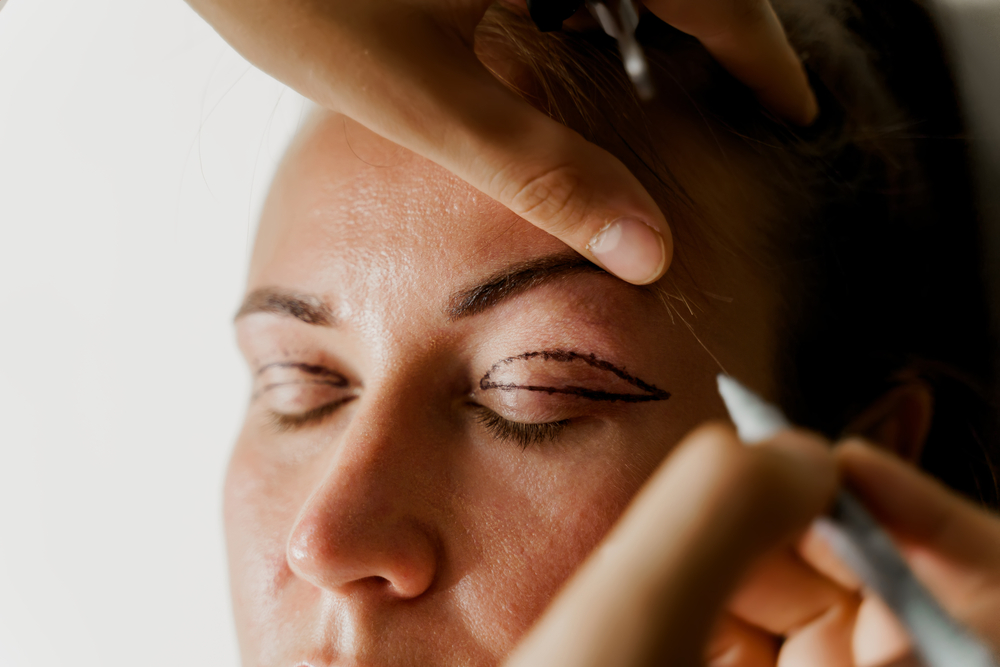
Ptosis Upper Eyelid Surgery
If drooping eyelids cause discomfort or visual loss in one or both of your eyes, your eye surgeon may recommend ptosis surgery, such as upper eyelid surgery Dubai procedures for eyelid correction. It is a straightforward outpatient procedure that requires only mild sedation or a local anesthetic.
Depending on how much your eyelids droop, your eye surgeon will conduct a different surgery. The most common approach to treating ptosis involves tightening or repairing the levator muscle responsible for lifting the eyelid, a technique often associated with eyelid lift Dubai procedures for eyelid support.
Your body will subsequently enter its natural healing phase as soon as your eye surgeon seals the incision line with dissolvable sutures. Patients report improved eyesight and more self-confidence following the removal of extra skin from their eyelids.
Ptosis Surgery Recovery Timeline
Patients should anticipate that it may take up to three months to fully recover from ptosis surgery. Recovery is often compared with blepharoplasty recovery Dubai timelines due to similar healing patterns, although each patient’s recovery period may vary.
There will be phases to postoperative recovery, and knowing what to anticipate at each step may assist in guaranteeing the best outcomes and a more pleasant healing process.
Immediately After Ptosis Surgery
Following ptosis surgery, the ointment used to keep your eye adequately lubricated may cause hazy vision. To protect your eye and reduce swelling, the surgical site must be covered with a padded bandage for at least 24 hours. While some discomfort is normal when the anesthesia wears off, most patients say it is manageable and bearable.
Adults can return home the same day after surgery, but since driving is prohibited for the first day or two, you will need to arrange for someone to transport you home. Children can go home the same day, although it is recommended that they remain in the hospital until the anesthetic wears off.
Common Side Effects
- Eyelids may feel tight and painful.
- Eyes may feel dry, watery, or itchy.
- Sensitivity to light
- Mild swelling and bruising
- Blurred vision for a few days
- Dryness that may require lubrication
In some cases, patients undergoing lower eyelid surgery Dubai may experience similar temporary symptoms during healing. In certain cosmetic cases, such as eye bag removal surgery Dubai procedures, swelling can appear more noticeable in early recovery.
The Days Following Ptosis Surgery
You should aim to relax as much as possible in the days after surgery. Clinics offering advanced care, including a blepharoplasty clinic Dubai, typically provide structured recovery instructions for better healing outcomes.
Soreness and mild discomfort are typical during the first few days and can usually be managed with over-the-counter pain relievers. Call your eye surgeon right away and seek emergency assistance if you have any severe pain, significant bleeding, or vision loss that isn’t related to bandages or lubricants.
After ptosis treatment, the majority of patients may resume work or school in one to two days. However, for one to two weeks following surgery, you must abstain from any physical labor and heavy lifting.
The Do’s and Don’ts of Ptosis Surgery Aftercare
- Do adhere to all of your eye surgeon’s aftercare recommendations.
- Steer clear of strenuous lifting, swimming, smoking, and other physically demanding activities.
- Do sleep with your head elevated for the first few days.
- Do wear sunglasses when outdoors.
- Until your eye surgeon gives the all-clear, avoid using contacts or cosmetics and avoid rubbing your eyes.
- Until your eye surgeon gives the all-clear, avoid using any blood thinners.
Patients are advised to choose experienced providers, including the best blepharoplasty surgeons Dubai, to ensure safe surgical outcomes.
It is also important to follow the instructions provided by specialists for achieving the best eyelid surgery in Dubai outcomes
The Weeks Following Ptosis Surgery
You will find it simpler to move your eyes and raise and lower your eyelids a few weeks following surgery. In some cases, lower eyelid correction Dubai procedures may be considered if asymmetry persists. Within 7 to 12 days of treatment, most patients start to observe improvements in swelling and bruising around the eyes, especially if they have adhered to all post-surgical aftercare instructions provided by their surgeon.
Before resuming any cosmetic procedures, patients are often advised to attend a blepharoplasty consultation Dubai with their surgeon.
For the first two weeks after ptosis surgery, patients are advised to avoid heavy lifting and to avoid using contact lenses or makeup. Before resuming any of these activities, make sure to have your doctor’s consent.
If you encounter any of the following uncommon or severe situations, please contact your surgeon:
- Severe ocular pain or fluid leakage
- Diarrhea, vomiting, or fever
- Long-term loss of eyesight
- Prolonged bleeding
- Any injury near the surgical site
- The same eyelid drooping once again
- Difficulty moving the eyelid
The Months Following Ptosis Surgery
You will probably feel fully recovered and back to normal in the months after your surgery, but it’s important to adhere to all of your doctor’s postoperative advice. During your follow-up sessions, you will be able to discuss your results with Dr. Lyor Hanan if your recovery is proceeding as planned. Although it is rare, a follow-up treatment might be carried out if you believe the eyelid alignment is unusual.
After ptosis surgery, doctors have documented relatively few problems, and they can resolve many with minimal changes. Rarely, if the eyelid skin is removed and the hair follicles are destroyed or injured, the person may lose their lashes.
Most patients recover fully within three months. At this stage, visible improvements are often assessed as part of blepharoplasty before and after Dubai outcomes.
Learn More About Ptosis Treatment with Dr. Lyor Hanan
Dr. Lyor Hanan is available to assist patients considering ptosis surgery for drooping eyelids and provides personalized treatment plans for such cases. During consultation, patients may also inquire about an eyelid lifting procedure Dubai depending on their condition.