General Recommendations to Reduce Bruising and Swelling after Breast Reduction
Bruising happens when tiny blood vessels under the skin are broken, allowing blood to flow into the surrounding tissues. Swelling, on the other hand, is a normal response after surgery in which your body sends additional fluid to the region to aid in recovery. Both bruising and swelling are transient and will lessen as your body heals. Here are some general guidelines to help you prevent bruising and edema following surgery:
Follow your surgeon’s Instructions
One of the most important steps you can take to reduce bruising and swelling is to carefully follow Dr. Lyor Hanan’s post-operative recommendations. These instructions are intended to help you recover and achieve the greatest potential outcomes. Dr. Lyor Hanan may make particular recommendations based on your unique situation, but here are some broad guidelines you may expect:
Wear a Supportive Surgical Bra
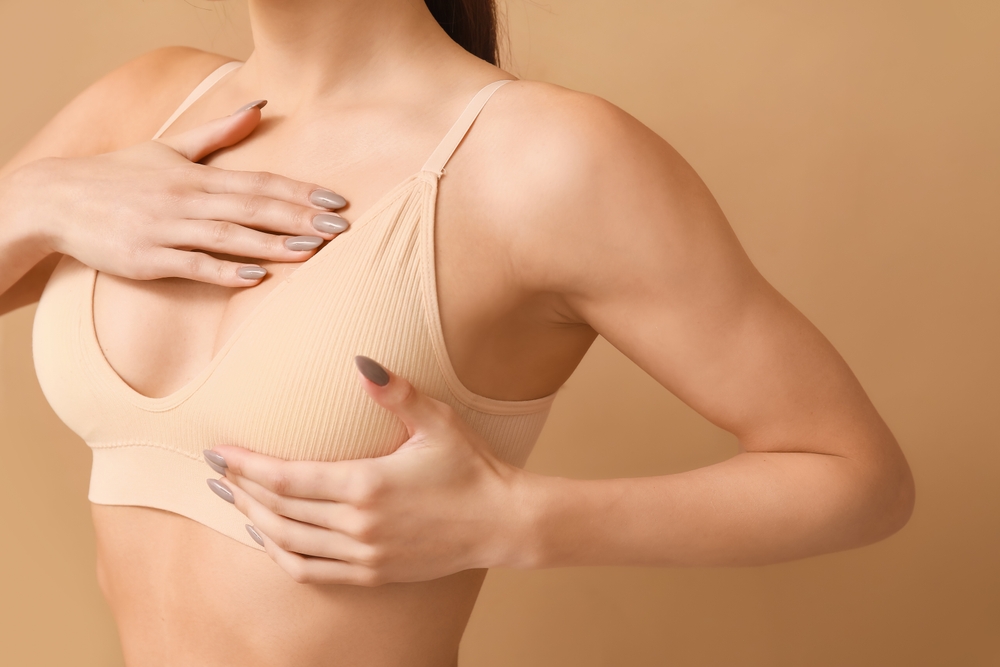
After your breast reduction surgery in Dubai, Dr. Lyor Hanan will recommend that you wear a specific surgical bra or compression garment. This garment is intended to support and compress your breasts, which is critical for decreasing swelling and facilitating recovery. The surgical bra supports your breasts in the optimal position, reducing strain on the incisions and letting them recover correctly.
It is critical to wear the surgical bra as recommended by Dr. Lyor Hanan, which is typically for many weeks after the procedure. You may need to wear the bra constantly for the first several days, only taking it off for brief times to wash or shower. As your recovery continues, Dr. Lyor Hanan may enable you to transition to a soft, supportive sports bra without underwires.
When selecting a surgical bra or compression garment, ensure that it fits properly and feels pleasant to wear. It should be snug but not too tight, as severe compression can be uncomfortable and could hinder circulation. If you have any issues regarding the fit or comfort of your surgical bra, please discuss them with Dr. Lyor Hanan.
Take Prescribed Medications
Dr. Lyor Hanan may prescribe a variety of medications to help manage pain, infection prevention, and recovery after reduction mammoplasty in Dubai. Pain medication might help alleviate discomfort in the days after your procedure. Take these medications as prescribed and do not exceed the stated dosage.
Antibiotics may be recommended to lower the risk of infection. It is critical to complete the entire course of antibiotics, even if you feel OK, to ensure that any possible infection is completely cured. If you develop any negative effects from the medications, such as nausea, vomiting, or skin rashes, contact the clinic immediately.
In rare circumstances, Dr. Lyor Hanan may prescribe additional medications, such as anti-inflammatory medications or muscle relaxants, to help control specific symptoms. Always follow Dr. Lyor Hanan’s directions carefully, and don’t be afraid to ask questions if you have any concerns about any element of your medication routine.
Avoid Strenuous Activities
It is important to relax and avoid intense activity during the early stages of recovery following breast reduction surgery. This helps your body to focus its resources on healing while lowering the chance of problems like bleeding, swelling, or incision damage.
Avoid excessive lifting, pushing, or tugging during the first several weeks following surgery. This includes duties like lugging heavy groceries, moving furniture, and lifting small children. You should also avoid strenuous exercise, such as sprinting, jumping, or high-impact aerobics, because these might generate excessive bouncing and strain on your recovering breasts.
Attend Follow-Up Appointments
Follow-up meetings with Dr. Lyor Hanan are essential for your post-operative treatment. These sessions allow your surgeon to track your recovery process, evaluate the outcome of your operation, and discuss any concerns or issues you may have.
Your initial follow-up visit is likely to be arranged a few days following your procedure. During this appointment, Dr. Lyor Hanan will examine your incisions, replace any dressings, and assess your general healing. He may also give you more advice on how to care for your incisions, manage discomfort, and wear your postoperative bra.
Recommendations to Reduce Swelling after Breast Reduction Surgery
Reduction mammoplasty Dubai patients commonly experience temporary swelling after surgery, but there are several ways to reduce and manage it effectively.
Apply Cold Compresses
Using cold compresses or ice packs on your breasts is one of the most efficient ways to decrease swelling and pain following breast reduction surgery. The freezing temperature constricts blood vessels, lowering inflammation and numbing the region, so providing pain relief.
To use a cold compress properly, first wrap it in a small cloth before applying it to your skin. This protects your skin from the cold and avoids frostbite or ice burn. Apply the cold compress for 15-20 minutes at a time, many times per day, or as instructed by Dr. Lyor Hanan.
It’s vital to remember that you should never apply ice straight to your skin, since this might destroy the delicate tissues. If you don’t have an ice pack or gel pack, you may manufacture your own cold compress by filling a plastic bag with ice cubes and wrapping it in a thin towel.
Elevate Your Upper Body
Keeping your upper body slightly raised when resting or sleeping will help minimize edema following breast reduction surgery. This posture encourages fluid flow away from your breasts, which might build as a result of gravity and the normal inflammatory reaction to surgery.
To do this, use cushions to prop yourself up in a slightly reclined position while lying down. If a reclining chair is more comfortable for you, you can sleep there as well. Maintain this raised position as much as possible in the first several weeks following surgery, especially when sleeping.
In addition to lowering swelling, elevating your upper body can help relieve strain on your incisions and improve circulation. This, in turn, can help with the healing process and make you more comfortable during your recovery.
Stay Hydrated
Drinking enough water is critical for minimizing swelling and promoting your body’s healing process following breast reduction surgery. Water helps to drain away extra fluid and toxins that might build up in your tissues, causing swelling and pain.
Best breast reduction surgeon in Dubai, Dr. Lyor Hanan recommends drinking 8–10 glasses of water daily to support healing and minimise swelling. If you find it difficult to drink plain water, add slices of lemon, lime, or cucumber to improve the flavor without adding too many calories or sugar.
Avoid Salt
Consuming too much salt (sodium) might cause your body to retain fluid, worsening swelling after boob reduction in Dubai. When you eat salty foods, your body retains additional water to maintain the right electrolyte balance in your circulation.
During your rehabilitation, attempt to minimize your consumption of items rich in salt, such as processed snacks, canned soups, fast meals, and condiments like soy sauce or salad dressings. Instead, follow a well-balanced, healthy diet rich in fresh fruits and vegetables, lean meats, and whole grains.
Wear Loose, Comfortable Clothing
Choosing the correct clothing to wear while recovering after breast reduction surgery can help you manage swelling and stay comfortable. Tight, restricting clothes might apply pressure to your breasts and incisions, aggravating swelling and creating discomfort.
Instead, choose loose, comfortable shirts and skirts that do not constrain your chest area. Cotton and other soft, breathable textiles are perfect for allowing your skin to breathe while also regulating your body temperature.
Wearing loose clothing during your rehabilitation can make it simpler to dress and undress, as well as promote comfort and reduce swelling. Buttons, zippers, and front-closing bras can be useful since they eliminate the need to raise your arms overhead, which can be unpleasant.
Recommendations to Minimise Bruising
Bruising is another typical side effect of breast reduction surgery, but you may take efforts to reduce its appearance and encourage faster healing:
- Arnica montana: Arnica is a natural medicine that has been used for generations to relieve bruising and swelling. It comes in several forms, including oral pills, topical gels, and creams. Consult Dr. Lyor Hanan before using any supplements to confirm they are safe for you.
- Vitamin C: Vitamin C is required for the formation of collagen, which is important in wound healing. Eating vitamin C-rich foods, such as citrus fruits, berries, and leafy greens, can boost your body’s natural healing processes. Dr. Lyor Hanan may also prescribe vitamin C supplements.
- Avoid blood thinners: Some medicines and supplements, such aspirin, ibuprofen, and vitamin E, might thin your blood and increase your chances of bruising. Dr. Lyor Hanan will advise you to avoid these substances for a set length of time prior to and following surgery. Follow these directions carefully.
- Be gentle with your breasts: During your recovery, be gentle with your breasts and prevent any bumps or pressure. Sleep on your back, use soft, supportive bras, and take care while dressing or bathing. This can assist to reduce further bruising and aid recovery.