The First 24 Hours: What to Expect Immediately After Surgery
Resting and allowing your body to recover from anesthesia are the main priorities in the first few hours after the procedure. When you awaken, medical staff will be closely monitoring you in a recovery room.
Nurses will regularly check your vital signs, in addition to managing your discomfort and ensuring your stability. Your compression dressings or surgical bra will already be on. Once you are awake and stable, you will be discharged into the care of a responsible adult who can drive you home. Before leaving, you will receive comprehensive instructions for your post-operative at-home care. Whether you have undergone breast enlargement Dubai for cosmetic or reconstructive reasons, plan to rest for the first 24 to 48 hours, as this is the most critical period of your recovery. Your priority should be to rest, drink plenty of water, and remember to take your medications on time.
Managing Comfort and Healing: The Essentials
Managing discomfort and caring for your surgery sites will be your main priorities in the early stages. Addressing these aspects properly lays the foundation for a successful recovery.
Pain Management Medication
Following surgery, it’s common to feel tight, achy, and uncomfortable, much like after a strenuous chest workout. The goal is to keep discomfort at a manageable level.
- Stay Ahead of the Pain: Rather than waiting for your pain to worsen, it is advisable to take your medications according to a predetermined schedule within the first few days. Controlling discomfort before it peaks is significantly simpler.
- A Multifaceted Approach: Dr. Lyor Hanan may recommend a combination of pain relief medications and supportive medicines, such as a muscle relaxant to relieve chest tightness and a prescription pain reliever for initial discomfort. This approach frequently offers more effective relief with fewer side effects.
- Typical side effects: Constipation, nausea, and tiredness are side effects of painkillers. Take them with a small amount of food, drink plenty of water, and keep a stool softener available if Dr. Lyor Hanan advises it.
Your Surgical Bra and Compression
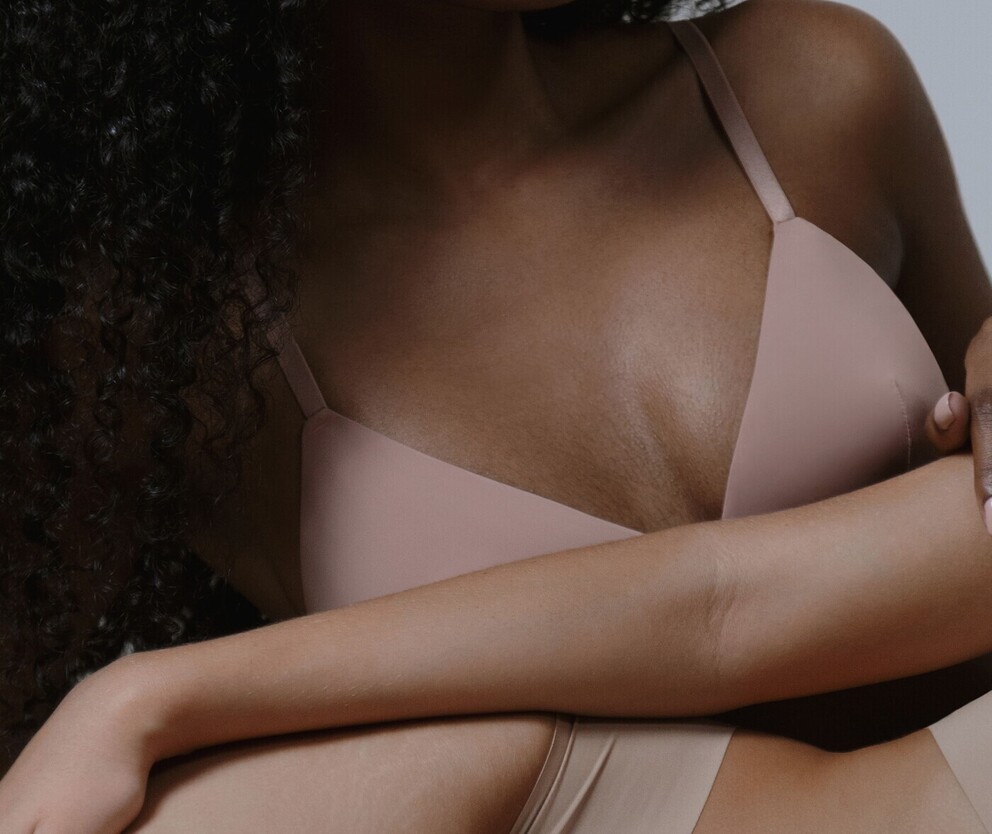
After surgery, you will awaken wearing a surgical bra or special compression garment. This supportive (and typically wire-free) bra is an essential component of your post-operative care after breast augmentation.
Although it may not be the most fashionable underwear, its role is important. In addition to supporting the weight of your new breast implants Dubai, and keeping them in the proper position as your body heals around them, the steady, mild pressure helps to reduce swelling and bruising. Dr. Lyor Hanan advises patients to wear a supportive bra along with a compression band for one month following surgery to maintain implant position during the healing period. Timelines and bra recommendations may change if you have a lift in addition to your augmentation. To learn more about combining a breast lift with augmentation, consult Dr. Lyor Hanan, who offers comprehensive breast surgery solutions in Dubai.
Incision, Bandage, and Drain Care
Taking good care of your wounds is essential to reducing scarring and avoiding infection.
- Bandages: Dressings or surgical tape (such as Steri-Strips) will be applied to your wounds. Dr. Lyor Hanan will explain when and how to replace them and whether to leave them in place until your initial follow-up.
- Keeping Dry and Clean: Following Dr. Lyor Hanan’s post-operative protocol, patients may shower 48 hours after surgery, ensuring the incision area is gently cleaned with soap and water and thoroughly dried afterwards. Until your wounds are completely healed, you should not immerse the affected area in a bath, hot tub, or swimming pool.
- Surgical Drains: Drain placement varies by surgeon and technique. Dr. Lyor Hanan will advise you during your consultation whether drains are required in your specific case. For patients who have chosen breast fat grafting in Dubai as their augmentation method, drain requirements may differ; Dr. Lyor Hanan will clarify this during your pre-operative consultation. Once fluid output has diminished, drains are usually removed at the clinic within a few days to a week following surgery.
Activity and Lifestyle: The Dos and Don’ts
Your recovery is directly impacted by how you move, or don’t move, your body. Here’s when being patient really pays off.
Activity, Exercise, and Lifting Restrictions
Strenuous activities should be avoided for a period, as your body requires energy to repair itself.
- Lifting and Arm Movement: You will be subject to strict lifting restrictions following breast augmentation. For the first few weeks, it is generally advised to avoid lifting anything heavier than approximately 3 to 4 kilograms. Additionally, you will be instructed to refrain from lifting your arms above shoulder level, a practice that some patients call “T-Rex arms.” Reaching upwards may strain your chest muscles and incision lines.
- Return to Exercise: You will be able to gradually resume light activities. Dr. Lyor Hanan advises patients to resume sports and exercise after approximately one month, always subject to his clinical assessment at your follow-up visit. Before returning to the gym, always wait for Dr. Lyor Hanan’s approval.
The Importance of Walking
Even though you must rest, total bed rest is rarely advised. Walking gently is recommended, usually beginning the day of the procedure. Walking around your home for short periods increases blood flow, speeds up healing, and reduces the risk of developing blood clots in the legs, known as deep vein thrombosis (DVT).
Sleep Position: Back is Best
It is recommended to sleep on your back for the first several weeks. Sleeping on your side or stomach might stretch your incisions, worsen swelling, and put pressure on your implants. Try placing pillows around your body or sleeping in a reclined position to make back sleeping more comfortable and prevent you from turning over. Elevating your upper body with a couple of pillows can also help reduce swelling during the early recovery period.
Diet, Hydration, and Things to Avoid
One of the most important aspects of your post-operative care after breast augmentation is what you put into your body.
- Drink plenty of water: Staying well hydrated supports the removal of anesthetics from your system, delivers nutrients to healing tissues, and helps reduce side effects such as constipation and dizziness.
- Fuel Your Healing: Prioritize eating a well-balanced, high-protein diet, which is crucial for tissue healing. Minerals and vitamins are also essential. Consider fruits, vegetables, fish, eggs, and lean meats.
- Steer clear of alcohol and tobacco: Avoiding these substances is crucial for a safe recovery. Nicotine narrows blood vessels, depriving your healing tissues of oxygen. Smoking may increase the risk of postoperative wound healing complications. Alcohol can cause dehydration, promote swelling, and interact with prescription medications. Both should be avoided for several weeks before and after surgery.
Navigating the Healing Journey: Milestones and What to Watch For
The recovery process comprises different stages. Knowing what to anticipate at each stage can make the journey feel much more manageable. For personalized advice on your recovery, you may always get in touch with Dr. Lyor Hanan in Dubai.
The “Drop and Fluff”: Understanding Implant Settling
It is quite common for breast implants to feel solid and sit high on the chest immediately following surgery. This positioning is frequently referred to as “high riding.” This is a temporary phase caused by tight muscles and post-surgical swelling.
Your implants will start to descend into a more natural position over the following weeks to months, and the surrounding tissue will soften. This natural settling process is commonly referred to as “drop and fluff.” Although you will notice visible improvements by six weeks, the final results may take three to six months to fully manifest. Patients considering breast enhancement Dubai often want to understand how implants settle during recovery. Dr. Lyor Hanan uses advanced implant options designed to support a natural look and feel during recovery.
Managing Swelling and Bruising
Bruising and swelling are common and should be expected. While bruising may appear at its worst a day or two later, swelling usually peaks around day two or three. You may assist in its management by:
- Wear your compression bra every day.
- Keep your upper body elevated while sleeping.
- Reduce your salt intake.
- Apply cold compresses for the first 48 hours, if approved by Dr. Lyor Hanan.
Every breast surgery in Dubai is unique; swelling and bruising timelines can vary depending on your chosen technique and individual healing response.
Follow Ups and Stitch Removal
To track your progress, you will have many follow-up appointments. Usually, your initial appointment is set for a week following surgery. Dr. Lyor Hanan will examine your wounds, address any non-dissolvable sutures if needed, and answer all your questions during these follow-up visits. Make sure you attend all of these check-ins, as they are a crucial component of your post-operative care following breast augmentation.
Signs of Complication: When to Call Your Surgeon
Even if complications are uncommon, it is important to recognize the warning signs. If you experience any of the following, contact Dr. Lyor Hanan immediately:
- A fever above 38.3°C (101°F).
- Spreading warmth, redness, or pus-like discharge from a wound.
- Severe or worsening pain that cannot be controlled with medications.
- One breast becomes noticeably harder, more painful, or swollen than the other.
- Sudden chest discomfort or difficulty breathing (dyspnea).
- Pain, swelling, or redness in one of your calves.
Being cautious and calling with a concern is always preferable. As the best breast augmentation surgeon in Dubai, Dr. Lyor Hanan and his team encourage patients to reach out with any concerns rather than worry at home.
Getting Back to Normal: Timeline and Final Results
Patience is essential. Even though you will feel significantly better within a few weeks, complete recovery is a gradual process that requires patience.
Your Week by Week Recovery Timeline
- Week 1: The main period of relaxation. Prioritize taking small walks, staying hydrated, and managing discomfort. The first few days will be the most uncomfortable, after which there will be a noticeable improvement.
- Weeks 2-3: Many patients who undergo a boob job Dubai report that by this point, the discomfort has largely faded and daily life feels manageable again. Bruising and swelling have significantly decreased, and you might be able to go back to office-based work and continue light daily activities.
- Weeks 4-6: A significant turning point in your recovery. You’ll be feeling more energetic than before. Dr. Lyor Hanan may approve a gradual return to more intense exercise and heavier lifting at this stage.
- Six Weeks and Up: Although you have recovered functionally, your healing process is still ongoing. Your scars will gradually soften and fade, and the swelling will continue to improve.
Returning to Work
Your employment determines the timing. After one week, you may feel ready to return to an office-based or desk job. If your work is physically demanding, you will likely need two to four weeks off and may need to return with activity restrictions.
Scar Care and Your Final Look
Once your wounds are fully healed, typically within two to three weeks, Dr. Lyor Hanan may review your scar progression. In most cases, no special scar treatment is required; simply ensure the area is thoroughly dried after each shower. Sun protection is recommended to prevent any discoloration of fresh scars. When a fresh scar is exposed to UV light, it may become permanently discolored. The flattening, softening, and fading of scars may take up to a full year, which is a natural part of the long-term healing process after breast enlargement surgery Dubai.
When Can I Wear an Underwire Bra?
This is one of the most frequent queries in post-operative care for breast augmentation. Until Dr. Lyor Hanan gives the all-clear, you must refrain from wearing underwire bras. In addition to interfering with the implant settling process, the stiff wire may also irritate your healing wounds. It is generally advised to hold off on wearing underwire bras for at least six weeks, and sometimes up to three months, depending on your healing progress. If you ever wish to alter the size or type of implant in the future, discuss implant exchange options directly with Dr. Lyor Hanan during a consultation.
Your recovery is a key part of your surgical journey. You can heal comfortably and enjoy your results for years to come if you follow these guidelines and maintain regular contact with Dr. Lyor Hanan. If you are considering breast augmentation and want a surgeon who prioritizes thorough follow-up and patient education, book a consultation with Dr. Lyor Hanan in Dubai today.