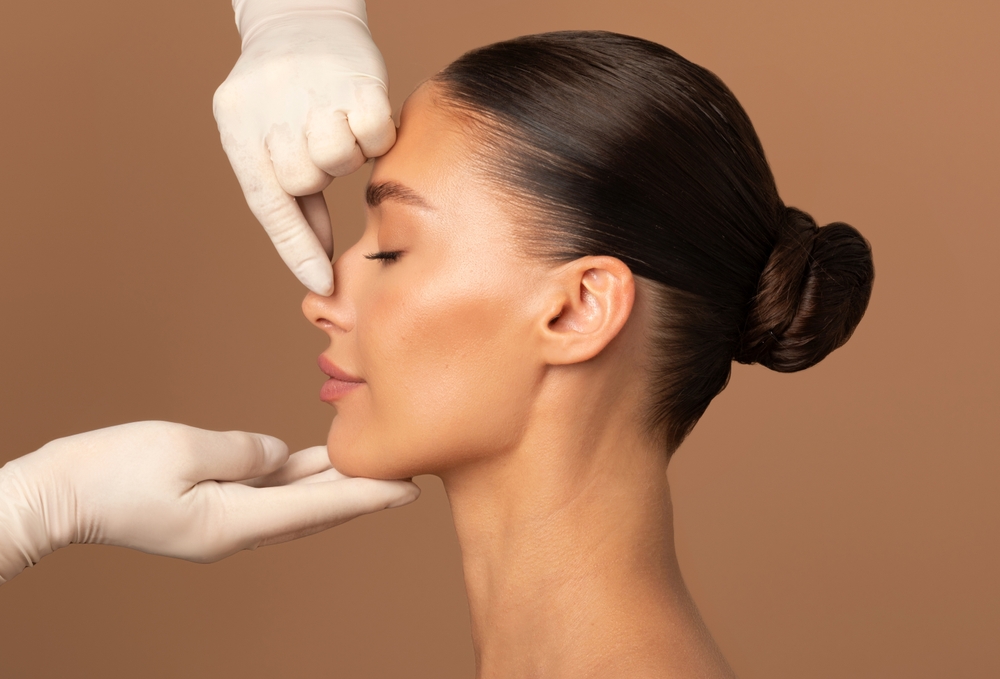
In essence, rhinoplasty surgery separates the skin and soft tissues of the nose from the underlying structures. The skin and soft tissues are then redraped over the altered bones and cartilage. To obtain a practical and aesthetically acceptable outcome, this surgery requires a careful and creative approach.
The Role of Nasal Structures during Rhinoplasty
Knowing the basic architecture of the nose is essential when considering Nasal surgery Dubai options. The nose’s intricacy is sometimes underestimated, with each tiny element having a significant impact on both shape and function. An understanding of the structures involved can greatly aid a more seamless surgery and recuperation process.
The nasal passages do more than just serve as passageways for breath. They affect health and control airflow. The septum helps support nasal structure and contributes to proper airflow through the nasal passages. The nasal bones provide structural support to the upper portion of the nose and play an important role in nasal shape and stability.
Next, the cartilage comes. This flexible yet robust tissue shapes the delicate areas of the nose, especially the bottom two-thirds. Surgeons can accomplish the desired result with accuracy and grace if they are aware of its malleability and have trained with these diverse nasal structures. After all, each component in this little space helps to create the ideal structure that one is looking for.
The Recovery Process Following a Rhinoplasty Surgery
Sore throats and sinus pressure are common postoperative discomforts that usually go away in a few days. You should relax throughout this time. Swelling is frequently most apparent during these early phases.
It takes a little longer than most people may anticipate for the body to fully recover and return to its normal state. Over the course of many weeks following surgery, there is a progressive reduction in bruising and swelling. You should anticipate changes in the appearance of your nose during this period, as well as some congestion and possibly a reduction in smell sensitivity. Since the healing process takes time, patience is essential.
Avoiding physically demanding activities later in the recuperation period is recommended since they may have a detrimental effect on the outcome of rhinoplasty surgery in Dubai. You can achieve a satisfying outcome by allowing the healing process to unfold naturally and following your surgeon’s recovery instructions. In the weeks and months that follow, you will see the outcome, an improved self-image, become apparent.
Managing Pain and Swelling after a Nose Job: Helpful Strategies
Following a nose reshaping Dubai procedure, bruising, swelling, and soreness may occur. These are unavoidable and essential to the healing process. Therefore, it’s helpful to know strategies you may use to handle them:
Remember, it is temporary
One of the most crucial things to keep in mind is that your discomfort should become better with time. It is important to contact Dr. Lyor Hanan if you experience severe discomfort. Each person has a different level of pain tolerance. Nonetheless, the majority of people who have nose jobs claim to have some swelling, especially in the initial days following the procedure.
Use Cold Compress
Using cold packs on your face can assist in reducing swelling, which immediately lowers your level of pain and discomfort. In order to help manage swelling during the early recovery period, your surgeon may suggest that you elevate your head for a few days. Applying them should be done carefully because the skin may be more sensitive after surgery.
Take Pain Relievers
Your surgeon will probably provide antibiotics to lower the risk of infection and prescription painkillers to help manage any discomfort. By using these drugs, you can significantly reduce post-operative pain and suffering. Each patient’s level of discomfort will help determine the appropriate course of treatment.
Remember that blood thinners are detrimental to your recuperation, so stay away from medications that include them.
Dietary Changes
Throughout the recuperation process, eating a balanced diet aids in healing and pain relief. Protein-rich foods, vitamins, and minerals can support healing and recovery. To lessen swelling and inflammation throughout recovery, stay away from processed and sugary meals. To support recovery, don’t forget to drink enough water.
Avoid Certain Facial Expressions
You might lessen the swelling and pain by refraining from actions like blowing your nose, sneezing, laughing, or even sobbing. Avoiding facial expressions like frowning, smiling, and lifting eyebrows might also help to minimize further discomfort. Additionally, it is not recommended to use straws when recovering.
Get Plenty of Rest
Never undervalue the importance of getting enough sleep. Exhaustion may worsen your discomfort and slow down your recovery. To support recovery, make sure you have a peaceful, quiet space. Steer clear of physically demanding activities like jogging, moving large objects, or even some yoga poses. Excessive movement can cause inflammation and impede the healing process.
Light physical activity, when approved by your surgeon, may support the healing process. Striking the correct balance between rest and mild exercise can considerably aid your recovery following a rhinoplasty.
Caring your Incisions
An essential component of patient recovery after a functional nose surgery Dubai procedure is surgical site care. It’s important to assist the body’s healing process and avoid difficulties in addition to maintaining excellent cleanliness. It entails shielding the area from bacteria; bandages can provide an additional layer of protection since they offer another degree of protection. Avoiding physical activities that can interfere with the incisions is also essential. Tension brought on by movement might disrupt the healing process.
Changes to Facial Features and Sense of Smell Post Rhinoplasty
Nose surgery Dubai can result in notable enhancements to a person’s facial appearance when performed by an experienced surgeon such as Dr. Lyor Hanan. This type of plastic surgery mainly modifies the nose’s structure and shape, which significantly transforms the facial characteristics. The patient’s desired result and the special surgical methods employed determine the degree of these changes.
It’s crucial to realize that swelling may momentarily change the way your nose and other facial features seem. However, as the swelling goes down, we frequently see a discernible shift in face symmetry.
Rhinoplasty may also impact your sense of smell, in addition to the obvious alterations. The sense of smell often recovers to pre-procedure levels shortly after recovery, and this shift is typically only transient. Patients considering septoplasty in Dubai may also experience temporary changes in nasal sensation during recovery.
Professional Help and Support during Recovery: Why it Matters
In order to ensure patient health, post-surgery follow-ups and ongoing expert assistance during the recuperation phase are essential. This ongoing assistance speeds up the healing process and helps avoid any problems that can arise from skipping such treatment. A medical expert can provide priceless guidance on pain management and maximizing recuperation. This professional advice covers things like painkillers that reduce pain and promote recovery.
Choose a Nose Surgery Expert
For a sensitive cosmetic treatment like rhinoplasty, selecting the correct specialist is essential. In addition to lowering the likelihood of issues, an experienced hand guarantees a result that meets your requirements and expectations. Dr. Lyor Hanan is recognized for his expertise in rhinoplasty surgery in Dubai and his commitment to achieving natural-looking results. His approach combines advanced surgical techniques with a detailed understanding of facial harmony to create outcomes that complement each patient’s unique features.
Dr. Lyor Hanan is committed to supporting patients throughout every stage of the rhinoplasty journey, from consultation to recovery. Schedule a consultation with Dr. Lyor Hanan to receive a personalized assessment and discuss the most suitable treatment options for your needs.