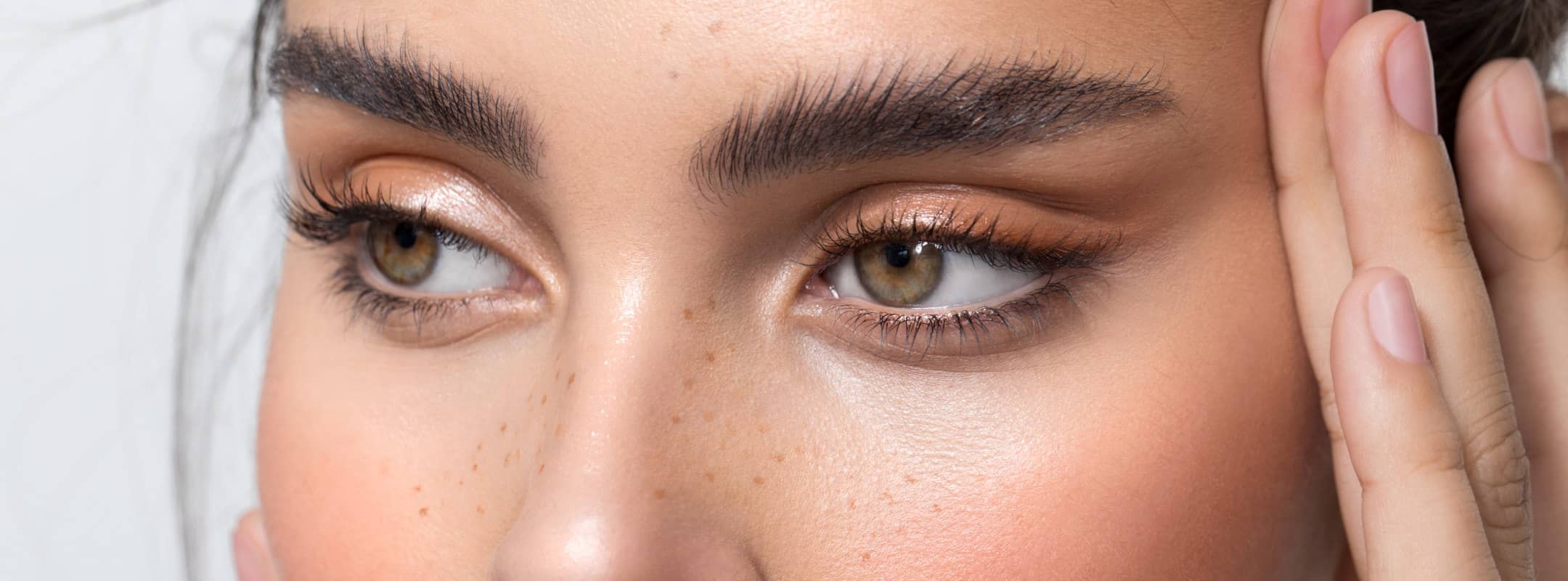
Common Types of Blepharoplasty
Lower blepharoplasty is mostly approached in two ways:
- Transconjunctival Blepharoplasty: This procedure, which is best for individuals with minimal extra skin but still requires fat relocation or removal, involves making incisions on the inner eyelid to prevent outward scarring.
- Subciliary (or Skin Pinch) Blepharoplasty: This procedure involves making an incision just below the lash line to tighten the region and remove extra skin. Additional complimentary methods include using micro-fat transfer to naturally increase volume and repositioning fat to fill hollows.
Ideal Candidates for Lower Blepharoplasty
Candidates are often healthy people with chronic under-eye bags, hollows, wrinkles, or shadows that do not respond to topical therapies. They are looking for a natural improvement that supports elegant aging and maintains eyelid function. Candidates should not have severe eye diseases like glaucoma or dry eyes, and their expectations should be reasonable. Adults, usually over 30, who want a long-term solution for revitalizing the under-eye region might benefit from eyelid correction surgery.
What is Lower Blepharoplasty and How Does It Work?
What is blepharoplasty, and what are its common types?
Blepharoplasty, often known as eyelid surgery Dubai, seeks to improve the look and function of the eyelids by removing or relocating extra skin, muscle, and fat. Lower blepharoplasty, which targets under-eye bags, hollows, loose skin, and wrinkles, contributes to a more youthful and rested appearance, and upper blepharoplasty, which addresses drooping upper eyelids that may impair vision or create a tired look, are the two main types of the procedure.
How is lower blepharoplasty performed?
Lower eyelid blepharoplasty is often performed using precise surgical procedures that are suited to each patient’s specific anatomy and concerns. The most popular technique for lower blepharoplasty is the transconjunctival procedure, which involves making incisions inside the lower eyelid while maintaining eyelid support and leaving no apparent exterior scars. Under-eye bags and hollows can be smoothed out by removing or rearranging orbital fat thanks to this access.
Fat repositioning and removal techniques
Modern lower blepharoplasty frequently involves the fat repositioning procedure, which involves shifting the existing orbital fat pads downward to gently fill the tear trough and lid-cheek junction, as opposed to just removing fat. This technique promotes long-lasting natural shapes and avoids a hollowed-out or artificial appearance. Micro-fat transfers are sometimes used in conjunction with cautious fat excision to restore volume without puffiness.
Skin and muscle adjustments
A skin pinch blepharoplasty procedure, which removes a thin skin strip without damaging the underlying muscle, may be used when there is extra or loose skin. Additionally, crepey or textured skin around the eyes can be improved by chemical peels or CO2 laser resurfacing. Muscle tightness is often reduced to retain normal eyelid mobility and avoid problems.
Fat repositioning, skin modification, and little muscle manipulation are the focused treatments used in the eyelid lifting procedure Dubai to generate a relaxed, natural, and rejuvenated eye look that blends in perfectly with facial expressions.
Advanced Techniques in Lower Blepharoplasty for Natural Results
What are the five steps involved in the advanced lower blepharoplasty technique?
In order to minimize potential problems and provide natural, long-lasting rejuvenation, the advanced lower blepharoplasty procedure uses a thorough five-step lower blepharoplasty approach. The goal of this technique is to maintain and improve the architecture of the eyelids in order to get a harmonic and balanced result.
- Deep Malar Fat Compartment Augmentation
Targeted fat injections correct tear trough abnormalities that provide the appearance of fatigue or hollowness by replenishing volume in deep cheek regions.
- Conservative Fat Removal with Muscle Preservation
To preserve eyelid support and natural mobility, limited fat removal is paired with cautious orbicularis oculi muscle maintenance rather than severe fat excision.
- Selective Release of the Orbicularis Retaining Ligament
Best blepharoplasty surgeons Dubai can improve contours and lessen harsh shadows behind the eyes by smoothing the lid-cheek junction and relieving tension at the ligament that anchors the eyelid skin.
- Lateral Canthal Support (Canthopexy)
Lateral retinacular suspension is one procedure that helps maintain function and look by strengthening the outer eyelid and avoiding drooping or malposition after the best eyelid surgery in Dubai.
- Minimal Skin Excision
Only a thin strip of excess skin is removed to enhance the contour of the eyelid without creating an over-tightened or sunken appearance, resulting in a young and natural finish.
This method produces a revitalized under-eye region that matures gracefully by emphasizing anatomical respect and focused treatments. It can also be paired with complementary treatments like a facelift or upper eyelid surgery to achieve complete facial harmony.
Surgical Approaches: Transconjunctival vs. Skin Pinch Techniques
What is transconjunctival blepharoplasty and when is it used?
Transconjunctival blepharoplasty is a minimally invasive surgical procedure that targets the under-eye region via an incision within the lower eyelid, leaving no apparent external scar. This method preserves the natural support structures of the eyelid while reducing puffiness and bags by eliminating or relocating projecting orbital fat. Patients with noticeable fat bulges but little extra skin or laxity are most suited for it. Most patients recover quickly, with little bruising or swelling, and are able to return to their regular activities in one to two weeks. In order to prevent noticeable scarring and preserve the natural shapes of the eyelids, those with darker skin tones could also choose this method.
What is skin pinch blepharoplasty and who is it suitable for?
A little incision made directly behind the lashes is used in skin pinch blepharoplasty to remove a thin strip of extra skin without affecting the underlying muscle or fat. Patients with little to no fat prolapse but mild to severe skin redundancy behind the eyes are most suited for this technique. Recovery is usually simple and predictable because it does not involve fat removal or repositioning. It can successfully cure crepey or textured skin around the eyes when used in conjunction with other treatments like laser resurfacing. This method reduces the possibility of problems such as eyelid malposition while providing a conservative way to revitalize the lower eyelids.
Comparing outcomes and risks of both approaches
Aspect Transconjunctival Technique Skin Pinch Technique
| Aspect | Transconjunctival Technique | Skin Pinch Technique |
| Incision Location | Inside the eyelid, no visible scar | Just under the lashes, a little visible scar |
| Target Tissues | Repositioning or removing fat, minimal skin work | Removal of a narrow strip of skin only |
| Ideal Candidates | Prominent under-eye fat, minimal excess skin | Mild skin laxity without fat bulges |
| Recovery | Possible fat volume changes, swelling, bruising | Lower risk of eyelid malposition, minor scarring |
| Risks | Bruising, edema, and changes in fat volume | There is also a decreased chance of eyelid malposition and minimal scarring. |
| Results Durability | Long-lasting with a natural lid-cheek contour | Effective at tightening skin; may need to be maintained with skin treatments |
A natural, young, and revitalized look is the goal of both methods. Skin pinch blepharoplasty is suitable for individuals who are mainly concerned with modest skin excess, but transconjunctival blepharoplasty is frequently favored for patients who need to treat puffiness and fat bulges without visible scars. Surgeons frequently personalize the selection to the patient’s anatomy, skin condition, and aesthetic objectives to achieve safe, optimal, and harmonious results.
What to Expect During Recovery After Lower Blepharoplasty
What does the recovery process for lower blepharoplasty typically involve?
Recovery from lower blepharoplasty usually begins with obvious bruising, swelling, and minor pain that lasts for one to three days. Cold compresses, rest, and over-the-counter painkillers are used to treat these symptoms. Sutures are usually taken out within the first week when swelling and bruises progressively go down. Around this time, patients frequently feel at ease going back to light daily activities and employment.
Managing swelling and bruising
Bruising and swelling are most noticeable just after an eyelid lift Dubai, but they get much better in the first ten to fourteen days. These symptoms can be lessened by using cold compresses and keeping the head up while at rest. Early recovery requires avoiding physically demanding activities and shielding the eyes from the sun and wind. You can increase comfort and reduce the chance of problems by using topical ointments, artificial tears, and, according to your surgeon’s recommendations.
Return to daily activities and long-term healing
After the bruising and swelling have gone down, most patients return to their regular social and professional activities in two to three weeks. By this point, any residual surgical signs can be successfully covered up with makeup. Over the course of four to six weeks, the incision lines become less noticeable, and the tissue returns to its original shape. Long-lasting benefits in under-eye appearance, such as less puffiness, smoother skin, and a rested, youthful aspect, are usually achieved over several months.
Risks and Safety Considerations in Lower Eyelid Surgery
What are the main risks associated with lower blepharoplasty?
Lower blepharoplasty is a relatively safe treatment, particularly when performed by a skilled surgeon with extensive anatomical expertise. Patients should be informed of the particular dangers linked with eye bag removal surgery Dubai. Managing bruising and edema, dry eyes, and mild discomfort following surgery are common problems. Ectropion (outward twisting of the eyelid) and lagophthalmos (inability to fully shut the eyelid) are two more particular conditions that may compromise eyelid function and eye comfort.
Although they are uncommon, with appropriate surgical technique, infection and bleeding hazards are nonetheless possible. Internal incisions, such as the transconjunctival technique for lower eyelids, reduce scarring by avoiding obvious external scars.
Orbital bleeding, temporary or permanent abnormalities in vision, and damage to the eye muscles or globe are less common but more dangerous consequences. These highlight the significance of meticulous surgical preparation and expertise.
Importance of surgeon experience and anatomical knowledge
A surgeon must possess accurate anatomical knowledge and sophisticated skill because of the sensitive architecture of the orbit and lower eyelid. To properly customize the procedure, a skilled oculoplastic or facial plastic surgeon will do comprehensive preoperative evaluations, including eyelid function and structural analysis.
Surgeons must understand how to preserve natural eyelid support structures and manage orbital fat to avoid cosmetic and functional issues. Surgeons who are skilled in canthopexy and fat repositioning techniques can lower the likelihood of malposition and improve long-term surgical results.
Risk minimization strategies
Preoperative planning and patient selection, including screening for thyroid conditions, dry eyes, and other contraindications, are the first steps in reducing risk.
Conservative fat removal and strategic fat repositioning preserve natural curves and lid support during surgery, while minimally invasive procedures like the transconjunctival approach assist in preventing obvious scars and lessen stress.
Lateral canthal support treatments (lateral canthopexy and canthoplasty) are additional methods to avoid malposition of the eyelids.
To improve blepharoplasty recovery Dubai and prevent infection, postoperative care after eyelid surgery includes shielding the eyes from the sun and wind, avoiding vigorous activities, and following recommended prescriptions, such as antibiotics and lubricating eye drops.
This all-encompassing strategy guarantees that lower eyelid surgery minimizes both common and uncommon issues while producing safe, natural, and long-lasting results.
Candidate Criteria and Effectiveness of Lower Blepharoplasty
What is the recommended age and health criteria for candidates considering lower blepharoplasty?
Although younger applicants with noticeable under-eye drooping or bags may potentially be candidates, lower eyelid correction Dubai is usually advised for those over 30. The ideal candidates should not smoke, have no long-term illnesses that might hinder their ability to recover, and be in good general health. To evaluate the structure of the eyelids, the quality of the skin, and any underlying conditions like dry eyes or eyelid ptosis, a trained surgeon must do a thorough assessment. It’s crucial to have reasonable expectations for results, and any issues with the face or eyelids should be resolved before surgery. A customized evaluation guarantees that the process is suitable and safe for every patient.
How effective is lower eyelid blepharoplasty in treating under-eye bags?
Lower eyelid blepharoplasty is a highly successful procedure for rejuvenating the under-eye region by removing or relocating excess fat, tightening muscles, and excising loose skin. This process smoothes wrinkles and shadows to provide a relaxed, natural look while reducing chronic under-eye bags and hollows. If the line of sight is blocked by sagging eyelids, it can also enhance eyesight. The majority of patients report improved facial harmony and confidence, and the results are long-lasting—often lasting more than ten years. The procedure is done as an outpatient procedure, and recovery usually takes 10 to 14 days.
How does consultation and customization improve patient outcomes in lower blepharoplasty?
It is essential to have a thorough consultation with a skilled, board-certified surgeon to customize lower eyelid surgery Dubai to each patient’s unique requirements. The degree of fat prolapse, skin laxity, and volume loss is all evaluated to determine the optimal surgical strategy, such as transconjunctival fat repositioning or skin pinch removal. Customizing treatment regimens and occasionally combining operations such as laser skin resurfacing or upper eyelid surgery Dubai improves overall outcomes and face equilibrium. A natural and harmonic renewal that ages gracefully is ensured by careful planning, which reduces hazards such as eyelid malposition, dry eyes, and obvious scars.
Cost Considerations and Combining Procedures for Facial Harmony
What are the estimated costs associated with upper and lower blepharoplasty?
Lower blepharoplasty cost depends on the credentials and expertise of the surgeon, the practice’s location, and the intricacy and scope of the procedure, which are some of the variables that affect these expenses.
Anesthesia costs, the usage of the surgical facility, post-operative medication prescriptions, and any required pre-operative testing are additional costs frequently associated with blepharoplasty. Most blepharoplasty surgeries are not covered by insurance because they are seen as cosmetic operations. However, if the surgery is carried out for medical purposes, such as to relieve peripheral vision blockage brought on by drooping eyelids, insurance may pay all or a portion of it.
Benefits of combining lower blepharoplasty with other facial surgeries
Lower blepharoplasty can improve overall face harmony and rejuvenation when combined with procedures like brow lifts or upper eyelid surgery. These combinations enable surgeons to treat several indicators of aging at once, resulting in a balanced, revitalized appearance that enhances the eyes’ and the surrounding areas’ young shape.
When compared to separate treatments, this comprehensive approach frequently produces better cosmetic results. Additionally, it can provide logistical benefits like a single recuperation period for several treatments, which might save total expenses and downtime. It is advised that patients considering blepharoplasty talk to their surgeon about how combining surgeries might help their unique facial shape and objectives.
Final Thoughts: Achieving Lasting Under-Eye Rejuvenation with Lower Blepharoplasty
Lower blepharoplasty offers significant benefits by addressing under-eye bags, hollows, and loose skin to create a natural, youthful, and rested look.
The procedure’s customized approach prioritizes eyelid support and natural shapes, including fat repositioning, minimal skin removal, and scarless techniques.
Professional surgical treatment is essential; skilled surgeons adapt methods to each patient’s unique anatomy, reducing risks and guaranteeing satisfactory outcomes.
Swelling and stiffness go away over a few weeks, and minor adjustments take months to complete. Recovery is doable.
Lower blepharoplasty is a popular option for long-lasting under-eye rejuvenation because, when done correctly, it produces changes that age gracefully and frequently last more than 10 years.
Book a blepharoplasty consultation Dubai with Dr. Lyor Hanan today and experience advanced, personalized eyelid rejuvenation.